
Addressing Attention Deficit: Setting An Effective Classroom Phone Policy
Two approaches to setting a phone policy students will actually follow

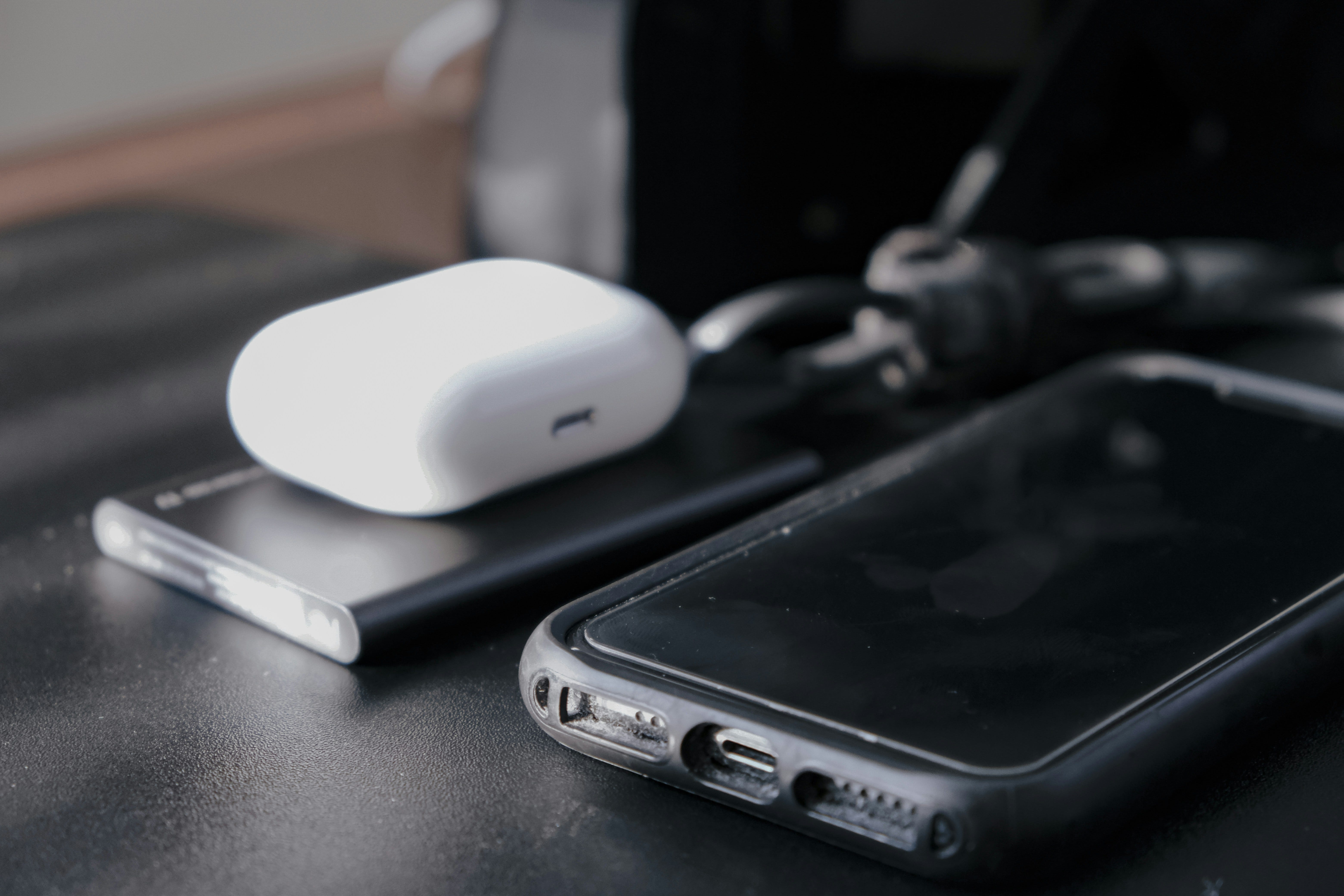
Are students so addicted to their phones that the only way to eliminate classroom distractions is to ban them altogether?
Education stakeholders all over the nation are considering this question, from the school boards tasked with formulating district-level phone policies, to the frustrated college professors struggling to corral their students’ attention.
Most school districts have implemented phone restrictions—either during class time or for the entire school day—but most college instructors are left to decide their approach to personal devices on their own.
International studies on mobile devices in college classrooms show that students frequently misuse mobile devices, and that this misuse interferes with attention, reduces engagement, and hinders learning. Combine this with the modest evidence suggesting that taking notes by hand is superior to digital note-taking, and any instructor looking for confirmation bias might use this evidence to justify barring students from using any personal devices in the classroom. However, it’s not just about the policies faculty set, but also how we go about negotiating those expectations with [young] adult learners that makes the difference.
One study showed that people who gradually reduced their cell phone use over 7 days showed stronger positive long-term effects (e.g. reduced anxiety and depression, reduced cigarette use, etc.) than those who quit phone use cold turkey. Additionally, Flanigan and colleagues found that college students reported less off-task device use when the instructor created a learning environment that met their basic psychological needs for competence, autonomy, and relatedness. These data points suggest that a unilateral abstinence strategy—instructors prohibiting all phone usage without student input—doesn’t help students long-term and can fracture the student-instructor relationship. No matter how strong our rationale, policies that strip learners of their autonomy may inadvertently encourage the behavior we’re trying to eliminate.
In the same way that telling college students what to do isn’t always effective, a policy entirely dictated by students can be just as faulty. One randomized experiment that compared passive lectures to active learning found that students in the active learning classroom performed better than their passive-lecture peers, but felt like they learned less. Even though students may prefer an instructional method or policy, these preferences don’t always lead to the strongest learning outcomes. This observation, found across multiple studies, complicates the task of determining when and how much choice to give students over their phone usage. But one clear conclusion emerges: setting class norms should be a collaborative process between the instructor and their students, not dominated by one party or the other.
Setting Class Norms for Mobile Devices: Two Approaches
How do we create class norms for mobile device use that are evidence-based yet prioritize students’ autonomy and access? Any effective approach falls into one of two categories: instructor-created policies with student input, and student-created policies with instructor input.
Instructor-Created Policy With Student Input
Instructors might include a policy like this in their syllabus:
Personal Device Use
This class will involve a mix of lecture, learning activities, and discussion. To promote a culture of deep engagement with your classmates and course content, cellphones are expected to be silent and away during class. You may use laptops, tablets, and digital note-taking devices during lectures and group work, and there will be a designated break in the middle of each class where you can use your phone. Recent evidence shows that even the most disciplined students experience decreases in learning and knowledge retention when distracted by their phones. My hope is to make my class accessible while maximizing your learning. I’m more than happy to loosen these restrictions for students who have university-approved accommodations.
Then, on the first day of class, you can ask for your students’ thoughts and recommendations on your policy. You could have students read the policy together in class, break them out into small groups, and ask them to discuss the following:
“How do you think this policy will help or hinder your learning? How does this approach compare to expectations in your other courses?”
Groups can then share out, allowing you and other students to address their questions. If you want students to critically think about the evidence supporting phone restrictions, you can assign them content to engage with before class, or have them consume the material in class before discuss with their small group partners.
Once you’ve heard their concerns and suggestions, you can end the conversation by saying, “This has been really helpful—thank you for sharing your thoughts. I’ll consider these ideas and post the finalized version of the syllabus by the end of the week.” If you’re concerned about forgetting or misremembering what students said, you can ask them to put their thoughts on sticky notes or index cards and hand them to you after the discussion.
Student-Created Policy with Instructor Input
Many instructors engage their students in creating community agreements and class norms. I do this with my students on the first day of class, and a question that I’ve found generates lots of great ideas is, “Think of the best class discussions you’ve been a part of. What about that classroom environment led to good discussion?” I structure this as a 3-5-minute free-writing exercise, asking students to be as specific as possible. Then I get them to share out, eventually asking them to talk about their worst discussions and what made them ineffective. I find it helpful to frame this reflection around class discussions, because it gets them thinking about how they contribute to the learning environment instead of solely focusing on what their instructors do.
You could easily fold a question about phones into this kind of activity. While students are sharing, you can ask, “What role did personal devices, like phones and laptops, play in your examples?” Then students can see that well-managed device use is necessary for high-quality learning experiences. This approach allows you to hear about how your fellow teaching colleagues support positive classroom participation. You don’t have to write all of their recommendations into stone—you can challenge their thinking and ask clarifying questions, which shows you’re thoughtfully considering how their observations apply to your course. After this activity, students will have given you all the material you need to create your phone policy.
If you want the conversation around phones to be separate from the general community agreements, you can use the same techniques described in the “instructor created policy” approach, but instead of asking for their feedback on your created policy, you’ll have them critically analyze the pros and cons of phone restrictions and collectively generate phone expectations.
This article shares expectation-setting techniques to implement at the start of your next course. If you’re like me, you’re left wondering what to do when, after a week or two of disciplined phone detachment, your students’ bad habbits begin to resurface. I’ll expand on how to reinforce expectations—through incentives, helpful reminders, and adjustments to other aspects of your course—in a future article.
In the meantime, keep this one key takeaway in mind: it never hurts to ask students about teaching conflicts we want to resolve. In fact, I’ve often found that their insights help me come up with the best solutions.
If you enjoyed this piece, you’ll also enjoy:


This is such a thoughtful take on managing attention challenges in the Classroom. I especially appreciate the practical strategies for keeping students engaged without overwhelming them.
https://lambock.com/cell-phone-lockers/